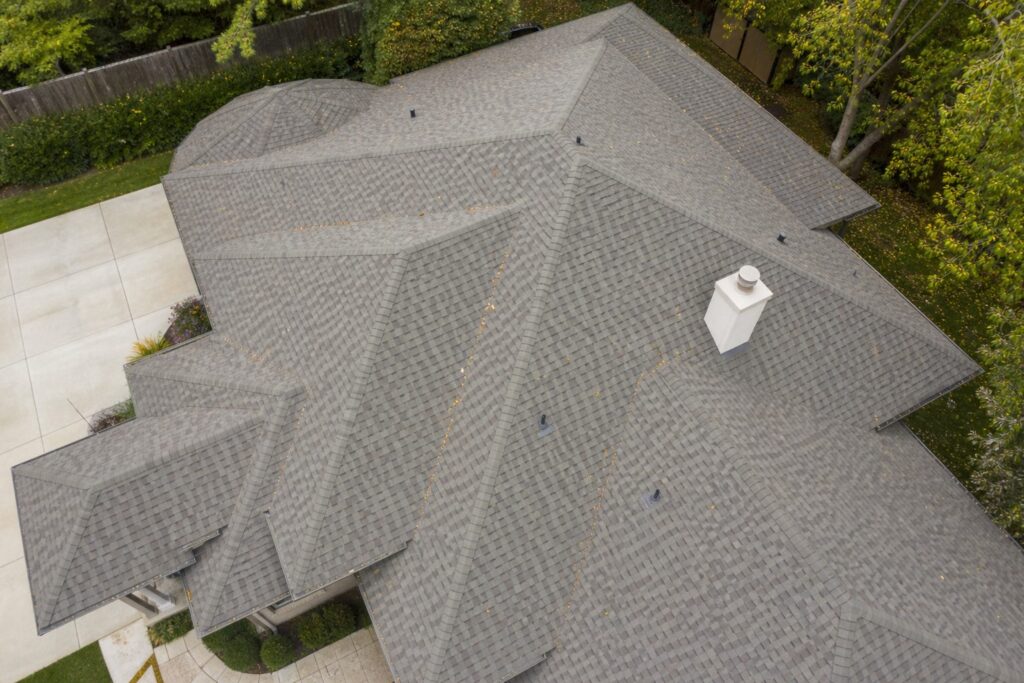
Storm Damage Inspection Services for Tampa Homes
Storm damage inspection helps you check your Tampa home for signs of harm after storms. This service covers your roof, gutters, siding, and other exposed parts of the property.
A thorough inspection identifies concerns that require repair or maintenance. Staying aware of damage helps protect your home’s structure and value over time.
Inspection Scope Overview
Storm damage inspection looks at the roof, gutter systems, windows, and exterior walls of your home. The focus is on visible issues such as broken or missing shingles, cracks, and dents caused by hail or wind.
Inspectors check for loose debris, water stains, and compromised seals around vents and chimneys. The inspection covers both common points of damage and less obvious problem areas.
Factors Affecting Inspection Results
Several elements influence the findings of a storm damage inspection. The overall size of the roof and property affect how much area needs to be checked.
The materials used in your roof and siding change how damage appears. The condition of your home before the storm, including any previous wear or deterioration, also influences the inspection.
Damage severity varies by the storm’s intensity and direction, so these forces shape what issues inspectors may find.
Scheduling and Inspection Length
Scheduling depends on the scope of the home and extent of damage to be inspected. The business schedules appointments to fit the workload and season while aiming to reply promptly to requests.
How long an inspection takes depends on property size and difficulty of access. Small roof inspections may take under an hour, while larger or more complex properties need more time.
After inspection, the findings are documented and explained clearly to the homeowner.
Evidence Supporting the Inspection Process
This business uses detailed inspection methods to assess all accessible areas carefully. They rely on clear photographs, oral explanations, and written notes during visits.
Reviews note the thoroughness and professionalism displayed during inspections. Homeowners appreciate the clear communication and time spent walking through what was found.
Surface Damage Clues
Certain visible signs often indicate storm damage and should prompt consideration of a thorough inspection.
- Missing shingles. Sections of shingles blown off the roof indicate wind damage or hail impact.
- Cracked gutters. Bends or breaks in gutters disrupt proper drainage and may follow storms.
- Dented siding. Marks or indentations on exterior walls are typical signs of hail damage.
- Water stains. Discoloration inside attic spaces suggests leaks caused by damaged roofing.
- Loose flashing. Metal flashing around roof penetrations that is loose or broken allows water entry.
- Debris accumulation. Accumulated branches or leaves on the roof signal potential storm damage.
Usual Reasons for Issues
Storm damage typically results from strong winds, hail, and heavy rain impacting vulnerable home areas.
- High winds. Strong gusts can lift or crack roofing materials and gutters.
- Hail impact. Hailstones can crack, dent, or puncture exterior surfaces.
- Water intrusion. Damaged seals or flashing allow rainwater to enter and stain interiors.
- Falling debris. Branches and other objects can bruise or dent siding and roofing.
- Aging materials. Worn roofing or gutters are more vulnerable to storm-related damage.
Steps During the Inspection
Step one: Inspect the exterior roof surface for visible damage and loose materials.
Step two: Check gutters and downspouts for dents, blockages, and secure fittings.
Step three: Examine siding and trim for dents, cracks, or displaced panels.
Step four: Assess attic and ceiling interiors for water stains or leaks.
Step five: Document findings with photos and notes for the homeowner’s review.
Step six: Explain all visible damage and maintenance suggestions clearly.
Mistakes That Worsen Issues
Homeowners often take actions that make storm damage worse before a professional inspection.
- Ignoring damage signs. Delaying inspection can allow small problems to grow into bigger repairs.
- DIY sealing attempts. Applying patch materials blindly risks trapping moisture and causing hidden damage.
- Walking on the roof. Unauthorized roof access can create new damage or safety risks.
- Neglecting gutters. Blocked or broken gutters increase water damage risks to walls and foundation.
- Skipping inspections. Failure to inspect after storms leaves damage undetected and unaddressed.
Maintenance to Reduce Damage
Regular upkeep supports your roof and exterior performance between inspections.
- Clear gutters regularly. Removing debris improves water flow and reduces pressure on gutters.
- Trim overhanging branches. Keeping branches away lowers risk of impact damage during storms.
- Inspect seals yearly. Check around vents, chimneys, and flashing for cracks or gaps.
- Monitor attic areas. Look for moisture or mold signs to catch leaks early.
- Schedule periodic inspections. Professional checks detect damage before it leads to bigger issues.
Common questions
It identifies damage early so you can arrange repairs before issues worsen.
Look for missing shingles, dents on siding, water stains, or gutter damage.
Scheduling depends on workload and property size, with replies as quickly as possible.
It covers roof, gutters, siding, attic areas, and documents visible damage.
You can look for visible damage, but professional tools and knowledge catch more issues.
Ready when you are
Schedule Your Roof Service
Contact us for an inspection or roofing service. We explain the work needed and provide a clear plan to protect your home.