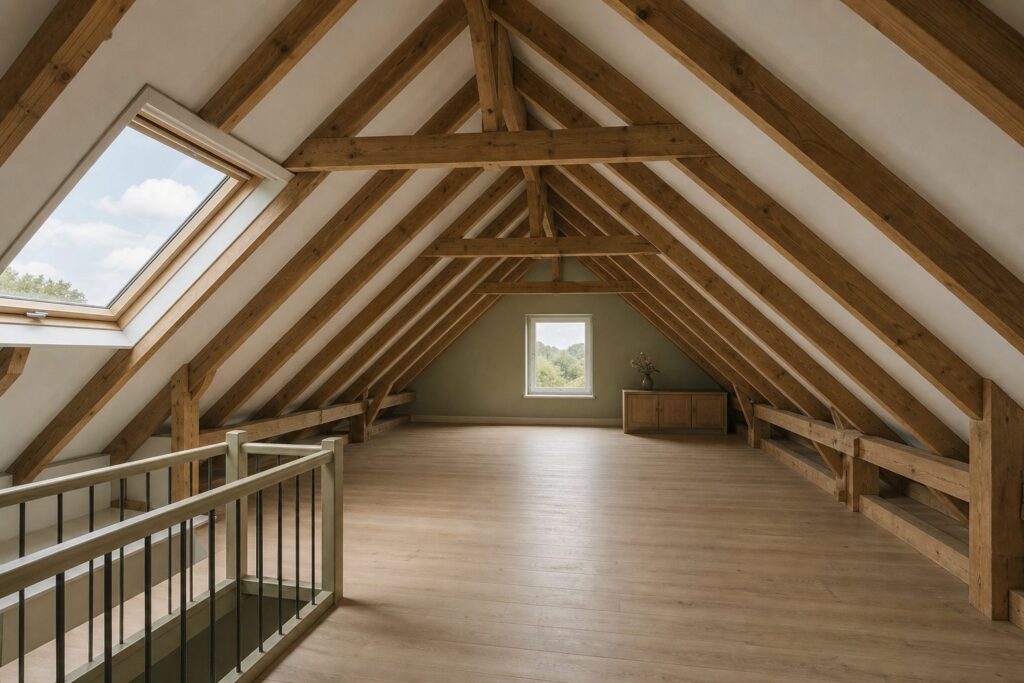
Roof Leak Detection Services in Tampa, FL
Roof leak detection involves a detailed inspection to find water intrusion points and sources. Tampa homeowners face unique challenges due to varied roofing types and weather exposure. Identifying leaks early helps protect your home from water damage and interior issues.
This service focuses on locating leaks using visible inspection and moisture measurements. Tampa properties often have complex roof layouts that require professional assessment to find leaks not easily seen. Early detection supports timely repair planning and damage limitation.
What Roof Leak Detection Includes
Roof leak detection covers a complete examination of all accessible roof areas. This includes checking for damaged or missing shingles, cracked flashing, and blocked drainage paths. Inspectors pay close attention to roof penetrations like vents, chimneys, and skylights.
The process involves visual assessment and use of moisture meters or thermal cameras. Checking the attic space helps detect hidden water stains or damp insulation. Overall, this service clarifies where water enters and what areas need repair.
Factors Affecting Roof Leak Detection Costs
The size and pitch of your roof influence how extensive an inspection will be. Larger or steeper roofs require more time and equipment. The roofing material also matters; complex or fragile materials need careful handling and detailed inspection.
Roof age and current condition affect inspection scope. Older roofs or those with visible wear often demand thorough examination of potential leak points. Additionally, ease of access and presence of attic or crawl spaces impact how inspectors evaluate the structure.
Scheduling and Typical Inspection Length
Scheduling depends on the extent of the roof and any reported issues. Staff arrange visits based on inspection requirements and homeowner availability. Clear communication helps set appropriate appointment times for a thorough check.
Inspection duration varies with roof size and complexity. Most visits take several hours to ensure all areas are examined carefully. Additional time is spent documenting findings and discussing the inspection results with the homeowner.
Verification and Customer Feedback
This business has earned positive feedback for clear communication and detailed roof reports. Customers note professionalism and thoroughness in detecting leaks. Reviews mention inspectors explaining issues clearly and providing helpful maintenance tips.
Common Leak Indicators
These signs help identify potential water intrusion points that may require leak detection services.
- Interior stains. Brown or yellow discoloration often appears on ceilings and walls where water enters.
- Peeling paint. Paint bubbling or peeling inside the home may indicate ongoing moisture problems.
- Mold or mildew. Foul odors or visible mold growth signal areas where moisture has accumulated.
- Wet insulation. Damp or compressed attic insulation shows evidence of water penetration beyond the roof.
- Water drips. Active dripping during or after rain indicates an ongoing leak requiring inspection.
- Roof surface damage. Curling, missing, or cracked shingles are common entry points for roof leaks.
Sources of Roof Leaks
Understanding typical leak causes helps pinpoint where inspections should focus.
- Damaged flashing. Cracked or loose flashing around roof penetrations lets water seep underneath materials.
- Clogged gutters. Blocked drainage causes water to pool and back up under roofing surfaces.
- Broken shingles. Shingles cracked by wind or age lose their waterproof barrier and allow leaks.
- Roof vent issues. Improperly sealed or damaged vents become common water entry points during rain.
- Chimney gaps. Cracks or openings near chimneys permit infiltration if not well sealed.
- Poor attic ventilation. Inadequate airflow can cause condensation buildup inside the roof structure.
Step-By-Step Leak Detection
Step one: Inspect all roof surfaces visually for signs of damage or deterioration.
Step two: Examine flashings, vents, skylights, and other penetrations for gaps or cracks.
Step three: Check attic areas for water stains, damp insulation, or mold presence.
Step four: Use moisture meters and thermal cameras to locate hidden leaks or elevated moisture.
Step five: Document findings with photos and notes detailing leak sources and conditions.
Step six: Discuss inspection results with the homeowner and recommend follow-up actions.
Mistakes to Prevent Before Inspection
Aware homeowners avoid common errors that complicate accurate leak detection.
- Attempting DIY fixes. Sealing leaks yourself may hide symptoms and obstruct professional inspection later.
- Ignoring attic odors. Failing to report musty smells can delay detection of hidden moisture problems.
- Covering stains with paint. Painting over water stains conceals damage and slows diagnosis.
- Neglecting gutter cleaning. Blocked gutters increase leak risks by holding water against roofing materials.
- Delaying roof access. Restricting entry points limits inspection thoroughness and can overlook leaks.
Preventive Maintenance Advice
Regular maintenance reduces the chance of leaks developing between professional inspections.
- Inspect shingles yearly. Look for damaged or missing shingles and arrange repairs promptly.
- Clean gutters often. Keep drainage clear to avoid water pooling and seepage under the roof.
- Check attic regularly. Look for moisture signs, stains, or mold to address issues early.
- Trim overhanging trees. Branches can damage roofing and hold moisture against surfaces.
- Seal penetrations timely. Maintain flashing and seals around vents, chimneys, and skylights to prevent leaks.
Common questions
Scheduling depends on appointment availability and roof size. We coordinate to set a convenient time.
You can check for visible stains or water spots, but full detection requires professional tools and access.
We inspect roof surfaces, check attic areas, use moisture readings, and document all findings clearly.
This service focuses on finding leaks and reporting. Repair work is discussed after inspection if needed.
Schedule if you notice water stains, interior damage, or after storms to assess potential leaks.
Ready when you are
Schedule Your Roof Service
Contact us for an inspection or roofing service. We explain the work needed and provide a clear plan to protect your home.