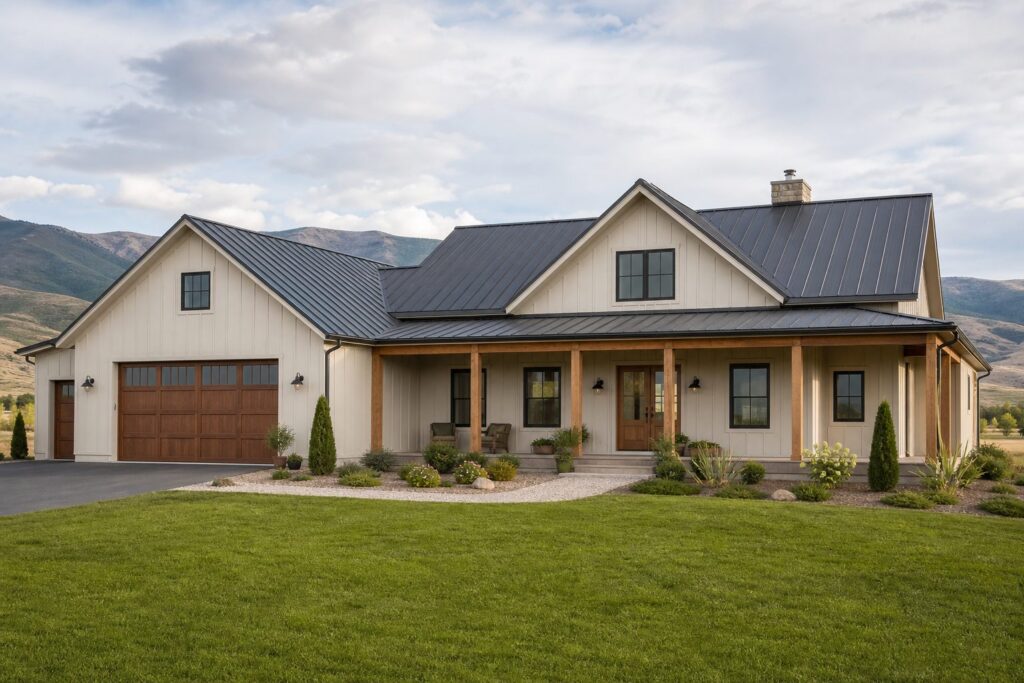
Metal Roof Installation Services in Tampa, FL
Metal roof installation in Tampa requires careful planning, proper materials, and attention to detail. This service improves roof durability, weather resistance, and overall protection for your home.
Our team prepares your roof surface, installs panels with precision, and ensures proper sealing to help your metal roof perform well in Tampa's climate.
Work Elements and Materials
Metal roof installation involves preparing your roof deck, selecting appropriate metal panels, and adding underlayment for moisture protection.
Fasteners, sealants, and flashing components are installed to ensure water tightness and wind resistance. The choice of metal type affects durability and appearance.
Installation Factors Affecting Schedule
Scheduling metal roof installation depends on the roof size, complexity, and material availability. Repairs or removal of existing roofing may extend the timeline.
Preparation work like decking inspection and underlayment installation influences how the project fits into the overall schedule.
Project Timing Details
We schedule work based on the scope of the installation and availability of materials. How quickly we reply to inquiries depends on current workload and project complexity.
The duration of the job varies with roof area, weather conditions during installation, and preparation needed before panels go on.
Evidence of Service Quality
No specific credential or review is available to list for this metal roof installation service.
Early Indicators of Roofing Issues
These signs signal common problems that often lead to needing a metal roof installation or repair.
- Rust spots. Small areas of rust may appear on metal components exposed to moisture and damage.
- Loose panels. Panels that shift or lift indicate fastening problems or degradation of attachment points.
- Water stains. Stains on ceiling or walls below the roof suggest leaks that a metal roof might correct.
- Corroded fasteners. Fasteners that rust or break can cause panels to loosen and allow water entry.
- Damaged flashing. Flashing with gaps or cracks often leads to water intrusion around roof edges.
- Dented panels. Panels dented by debris impact may lose their protective coating and create weak spots.
Frequent Causes Behind Roof Damage
These conditions often cause roofing problems that lead to metal roof installation requirements.
- Improper installation. Incorrect fastener placement or inadequate underlayment leads to leaks and panel shifts.
- Severe weather. High winds, hail, and heavy rain can damage panels, flashing, and fasteners.
- Moisture buildup. Poor roof ventilation allows moisture to accumulate and cause rust or rot.
- Material aging. Exposure to sun and weather causes metal coatings to degrade over time.
- Improper repairs. DIY fixes or incompatible patchwork can worsen leaks and structural integrity.
- Structural movement. Shifting of roof framing or decking distorts metal panels and weakens connections.
Installation Steps Outline
Step one: Inspect roof decking and remove existing roofing as needed.
Step two: Install moisture barrier and underlayment over the roof surface.
Step three: Position and secure metal panels using appropriate fasteners.
Step four: Install flashing and sealant at joints, edges, and penetrations.
Step five: Inspect finished roof and clean the surrounding area after work.
Common Pitfalls Before Installation
Avoiding these mistakes prevents complications before your metal roof installation.
- Delaying repairs. Waiting too long on minor damage may allow leaks to worsen and increase repair needs.
- DIY panel adjustment. Attempting to reposition metal panels yourself may damage fasteners or panels.
- Skipping surface prep. Not inspecting or repairing decking before installation risks panel misalignment.
- Using wrong materials. Selecting incompatible flashings or sealants can reduce roof longevity and performance.
- Ignoring flashing gaps. Unaddressed cracks or loose flashing increase the risk of water infiltration.
Upkeep Habits for Metal Roofs
Regular care helps maintain your metal roof’s protective qualities and appearance.
- Inspect fasteners. Check screws and nails annually for loosening or corrosion and tighten or replace as needed.
- Clean debris. Remove leaves, dirt, and branches from roof surfaces and gutters to prevent moisture traps.
- Clear drainage. Ensure gutters and downspouts direct water properly away from the roof and foundation.
- Check sealants. Inspect and refresh sealants around flashing and roof penetrations to maintain watertightness.
- Avoid walking. Limit foot traffic on metal panels to prevent dents and damage.
Common questions
Cost depends on roof size, materials chosen, and condition of the existing roof. Complex shapes and repairs add to the work involved.
They reply based on workload and project details. Scheduling depends on material availability and job complexity.
Look for signs like rust spots, loose panels, or leaking stains. A professional inspection helps confirm the needed work.
The visit covers surface preparation, panel placement, fastening, flashing, sealing, and post-work cleanup.
If damage involves widespread panel issues, corrosion, or poor flashing, a full installation may be more effective than repairs.
Ready when you are
Schedule Your Roof Service
Contact us for an inspection or roofing service. We explain the work needed and provide a clear plan to protect your home.