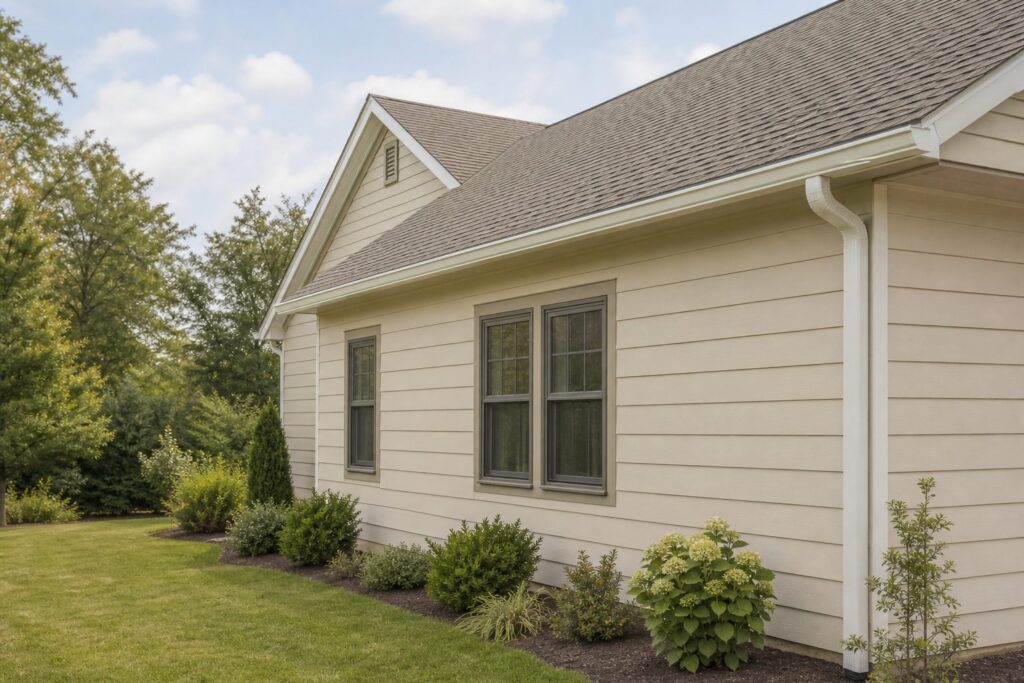
Gutter Installation Services for Tampa Homes
Gutter installation is an important part of protecting your Tampa home from water damage. Properly installed gutters direct rainwater away from your foundation and landscape, helping prevent erosion and leaks.
This service addresses the selection, fitting, and securing of new gutters to suit the shape and needs of your home. It ensures effective water flow with careful attention to material and alignment.
Factors Influencing Installation Cost
Gutter installation costs vary depending on the size of your home and the linear footage of gutters needed. Larger or complex rooflines require more materials and labor.
Material choice also affects cost since some metals and designs involve higher-quality or heavier components. The condition of existing gutters or fascia may require additional preparation work before installation.
Scheduling and Task Length
Scheduling for gutter installation depends on the scope of your project and material availability. We reply as soon as scheduling permits to arrange a convenient time for your home.
The installation itself usually takes one or more days, depending on the number of gutters, their length, and the complexity of roof dips or corners requiring custom fitting.
Verification of Service Quality
This business uses industry-standard materials and follows common installation practices to ensure gutter systems perform well. Reviews highlight the professionalism and attention to detail during the installation visits.
Gutter Problem Indicators
Certain visible signs on your home often indicate the need for new gutter installation or replacement.
- Pooling water. Water collects near the foundation due to improper gutter drainage or gaps.
- Sagging edges. Gutters sag or pull away from the roofline, indicating weakened supports.
- Cracks or splits. Visible cracks or splits in gutter sections allow water leakage onto walls.
- Water stains. Discoloration or staining appears on exterior walls beneath gutters.
- Overflowing gutters. Water spills over during rain instead of flowing through downspouts.
- Detached downspouts. Downspouts separate from gutters or the house, disrupting drainage.
Typical Causes of Gutter Issues
Gutter issues often result from certain factors affecting their condition and function.
- Improper pitch. Incorrect gutter slope prevents effective water flow toward downspouts.
- Material fatigue. Gutter metals or components wear thin or rust over time with exposure.
- Poor fastening. Loose or inadequate fasteners cause gutters to detach or sag.
- Clogged gutters. Debris buildup blocks water flow and puts extra weight on gutters.
- Damage from impacts. Branches, ladders, or storms can bend or break gutter sections.
Typical Installation Steps
Step one: Measure your home to determine gutter length and fitting needs.
Step two: Select gutter type and materials suited for your roof and climate.
Step three: Remove old gutters if present and prepare fascia for new installation.
Step four: Secure gutter hangers along the roofline with proper spacing.
Step five: Install gutter sections, ensuring proper pitch toward downspouts.
Step six: Attach downspouts and seal joints where necessary for water tightness.
Step seven: Inspect the system for correct drainage and secure all fittings.
Errors to Avoid Before Installation
Avoid these common mistakes that can worsen gutter problems before professional work begins.
- Delaying repairs. Ignoring gutter issues can lead to increased damage and costlier fixes.
- Improper cleaning. Using high-pressure tools or harsh chemicals may damage gutters.
- DIY sealing. Sealing leaks without proper materials often fails and creates blockages.
- Skipping fascia checks. Neglecting fascia condition can cause gutters to loosen soon after installation.
- Ignoring pitch errors. Do not assume gutters are properly angled without professional assessment.
Maintenance Habits for Gutters
Keeping gutters clean and secure between services helps prolong their function and reduces future repairs.
- Regular cleaning. Clear leaves and debris from gutters twice yearly or after storms.
- Check fasteners. Inspect gutter hangers and brackets to ensure they remain tight.
- Monitor water flow. Observe gutters during rain to catch any blockages or leaks early.
- Trim overhanging branches. Cut branches near the roofline to reduce debris falling into gutters.
- Clear downspouts. Remove blockages from downspouts to ensure unrestricted drainage.
Common questions
The size of your home and the materials chosen influence cost. Also, condition of existing gutters may require extra preparation.
Installation time depends on project size and complexity. Most jobs take one or more days depending on gutter length.
Signs such as sagging gutters, water pooling near your foundation, or cracks indicate a need for installation or replacement.
Installation includes measuring, material prep, mounting hangers, fitting gutters and downspouts, and sealing joints.
You should schedule when you notice water overflow, sagging gutters, or any damage that affects drainage efficiency.
Ready when you are
Schedule Your Roof Service
Contact us for an inspection or roofing service. We explain the work needed and provide a clear plan to protect your home.