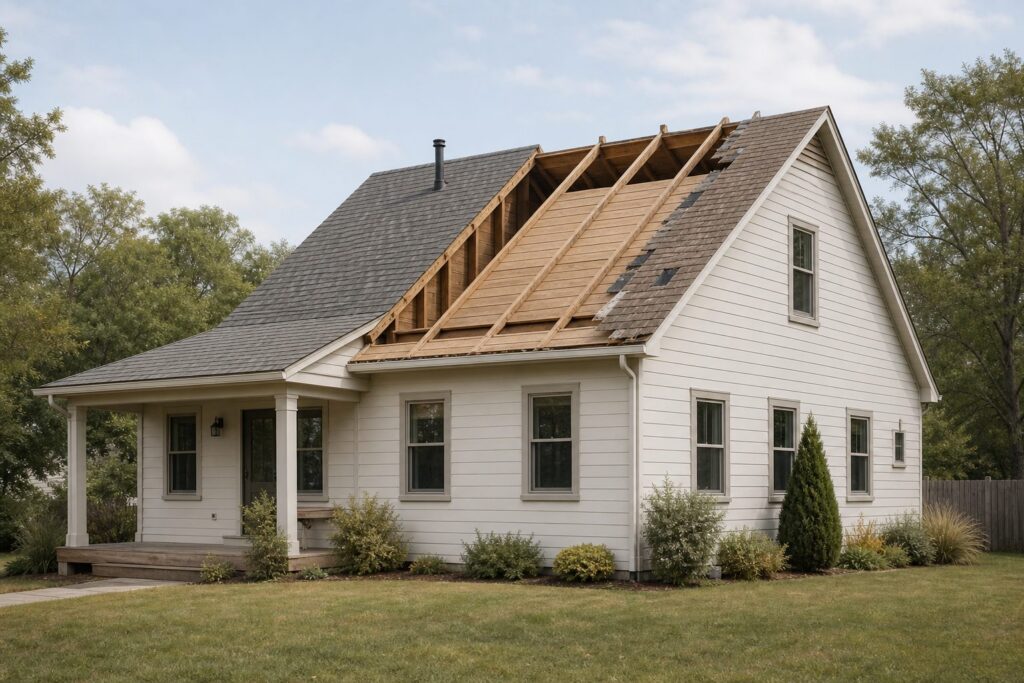
Roof Replacement in Tampa, FL
Roof replacement involves removing old roofing and installing new materials to protect your home. This process ensures your Tampa property stays secure from weather and wear.
Choosing the right materials and inspecting your roof's condition are key parts of a successful roof replacement. We focus on careful work and clear explanations throughout the project.
Roof Replacement Basics
Replacing a roof means removing existing roofing materials and adding new layers for protection. It involves attention to detail on flashing, ventilation, and underlayment to secure your home.
Materials range from asphalt shingles to tile or metal, each suited for different roof styles and durability needs. A professional replacement addresses damage and underlying problems before installation.
Roof Replacement Costs
Several factors affect roof replacement costs, including the size of your roof and the materials chosen. Complex roof shapes or steep slopes may add to labor requirements.
The roof's current condition determines how much prep work is needed before installing new materials. Removing old roofing and repairing decking can influence the scope of the project.
Scheduling Roof Replacement
Scheduling depends on the job size and material availability. We coordinate with you to find appropriate timing that fits your schedule and seasonal conditions.
After initial contact, we arrange an inspection and clearly explain the steps. The actual replacement time varies with roof complexity and weather, but it proceeds systematically from start to finish.
Proof of Work
This business has verified experience in roof replacement without specific credential details to present. Careful inspections and clear communication form the core of the service.
Client feedback describes straightforward work and thorough explanations to guide homeowners through the replacement process.
Signs of Roof Damage
These common signs indicate when roof replacement may be necessary to protect your home.
- Missing shingles. Visible gaps where shingles have come off expose the roof to water damage.
- Curling edges. Shingles with curled or lifted edges may no longer protect from wind or rain.
- Water stains. Discoloration on ceilings or attic walls signals roof leaks from damaged areas.
- Granule loss. Excess granules in gutters indicate aging shingles losing protective surfaces.
- Sagging roof. Any visible sagging suggests structural issues requiring roof replacement.
- Damaged flashing. Flashing around chimneys or vents that is cracked or loose allows water entry.
Common Roof Problems
These factors often cause damage that leads to roof replacement needs.
- Severe weather. Wind, hail, and heavy rain can damage shingles and degrade the roof surface.
- Poor ventilation. Inadequate attic airflow causes heat and moisture buildup that harms roofing.
- Sun exposure. UV rays break down roofing materials over time, reducing their effectiveness.
- Old materials. Aging shingles lose integrity and become brittle or cracked.
- Improper installation. Incorrect roofing techniques lead to early failure and leaks.
Process Steps
Step one: Inspect the roof to assess condition and materials needed.
Step two: Remove old roofing and clean the surface thoroughly.
Step three: Repair or replace damaged decking and install underlayment.
Step four: Install new roofing material carefully according to specifications.
Step five: Seal flashing and roof edges to prevent water intrusion.
Step six: Clean the property and inspect the finished roof with the homeowner.
Avoid These Mistakes
Homeowners should avoid these common errors that worsen roofing problems before replacement.
- Ignoring damage. Delaying repairs allows leaks and structural damage to worsen.
- DIY removal. Removing roofing yourself risks injury and improper material disposal.
- Cheap materials. Using low-quality roofing products can lead to faster deterioration.
- Overlooking permits. Not securing proper permits can cause legal or inspection issues.
- Skipping inspections. Failing to assess underlying issues may cause replacement failures.
Roof Care Tips
Regular upkeep helps extend your roof’s life after replacement.
- Clean gutters. Remove debris to ensure water flows away from the roof properly.
- Trim trees. Keep branches away to prevent damage and moss growth.
- Inspect yearly. Check your roof for damage or wear each year without delay.
- Repair leaks. Address small leaks promptly to avoid larger structural problems.
- Maintain ventilation. Ensure attic ventilation remains clear to reduce heat and moisture.
Common questions
Roof size, materials, and current roof condition influence the project scope and cost.
Timing depends on the roof’s size and complexity; projects proceed step-by-step and usually take days.
Signs like missing shingles, leaks, or sagging indicate replacement may be needed to protect your house.
The service includes removal, inspection, new material installation, flashing attention, and final cleanup.
Significant damage or widespread aging shingles typically call for a full replacement rather than repairs.
Ready when you are
Schedule Your Roof Service
Contact us for an inspection or roofing service. We explain the work needed and provide a clear plan to protect your home.