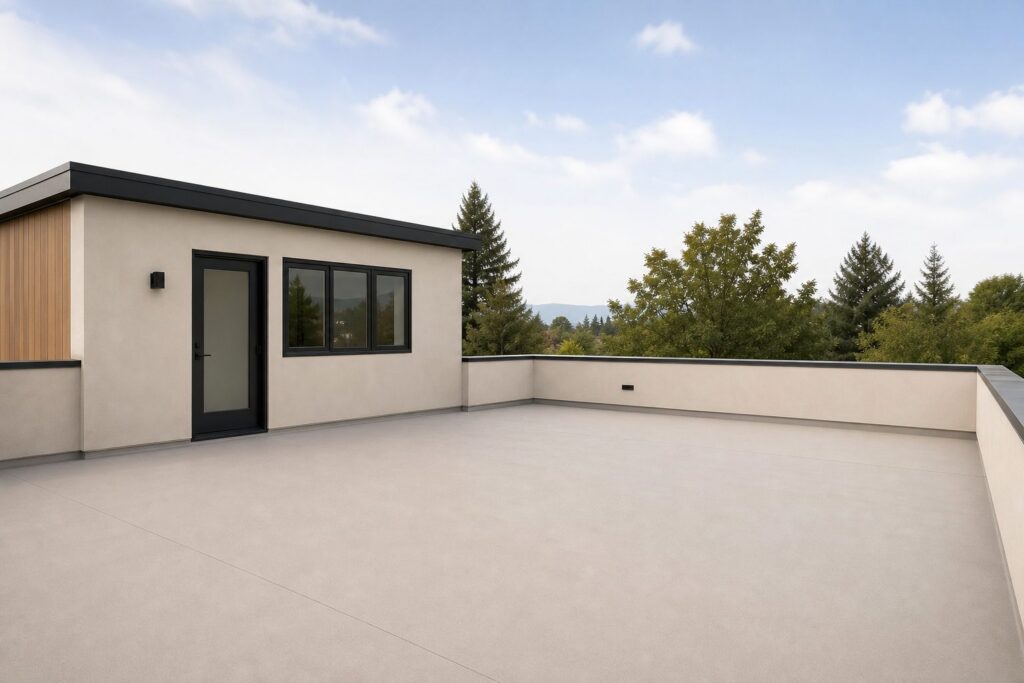
Flat Roof Repair Services for Tampa, FL Properties
Flat roof repair in Tampa requires careful assessment and targeted repairs to keep your roof sound and safe. This service addresses common flat roofing problems such as leaks and surface damage.
Technicians inspect your flat roof to identify issues, then repair or replace affected areas while maintaining roof integrity. Proper maintenance helps shield your property from common water damage and wear.
Flat Roof Repair Basics
Flat roof repair involves examining the roof surface to locate leaks, cracks, or blisters. Repairs address these issues to slow deterioration and prevent further water intrusion.
Materials used for repairs depend on the roof type and damage extent. Common materials include patches that match the existing roof membrane and sealants designed for flat surfaces.
The process aims to restore protection by sealing vulnerable spots and resurfacing damaged sections. Proper application ensures the roof remains watertight and structurally sound.
Factors Affecting Repair Scope
Several factors influence the scope of repair for flat roofs. Roof size often affects the material quantity and labor time needed. Larger surfaces typically require more extensive work.
The type of flat roofing material impacts repair choices. Different membranes like TPO, EPDM, or modified bitumen require specific patching and sealing methods.
Condition of the existing roof covering drives how much repair or replacement material is needed. Roofs with long-term damage may need wider area treatment to ensure durability.
Scheduling and Work Duration
Scheduling for flat roof repair depends on the extent of inspection findings and job complexity. The company usually arranges visits based on project scale and available openings.
How quickly you receive a callback often relates to current workload and the details you provide when requesting service. Clear descriptions help prioritize appointments accurately.
Repair work duration varies by damage size and repair type. Small patching tasks may take a few hours, while surface treatments or minor replacements require additional time to complete thoroughly.
Flat Roof Repair Verification
No specific credentials or customer review excerpts are available for this service at this time. This section remains focused on general practices and approaches related to flat roof repair.
Signs of Flat Roof Issues
These signs usually indicate flat roof damage requires attention and possible repair to protect your home.
- Pooling water. Areas that retain water after rain suggest poor drainage or membrane problems.
- Blistering surface. Raised bubbles on the roof membrane point to trapped moisture below.
- Cracked edges. Frayed or cracked roofing material increases the chance of leaks.
- Visible leaks. Water stains inside your building often trace back to flat roof breaches.
- Loose seams. Gaps or separation where roof materials meet reduce water resistance.
- Granule loss. Missing surface granules on modified bitumen roofs can expose underlying layers.
Frequent Flat Roof Causes
Flat roof damage often results from several typical factors compromising the roof membrane.
- Standing water. Water accumulation accelerates membrane deterioration and causes leaks.
- UV exposure. Prolonged sunlight breaks down roofing materials affecting flexibility.
- Thermal expansion. Temperature changes cause materials to stretch and contract, creating cracks.
- Debris buildup. Leaves and dirt trap moisture and block drainage paths.
- Improper installation. Faulty sealing or materials lead to early wear and membrane failure.
- Foot traffic. Walking on weak spots damages the membrane and exposes substrate.
Flat Roof Repair Steps
Step one: A technician inspects the roof surface for damage and weak points.
Step two: Problem areas are marked to plan specific repairs needed.
Step three: Clean the affected sections to remove dirt and loose material.
Step four: Apply patches or sealants precisely to damaged spots on the membrane.
Step five: Inspect repairs once dry and confirm roof surface integrity.
Step six: Advise on maintenance to extend the repair lifespan.
Common Homeowner Errors
Avoid these mistakes to prevent worsening roof conditions before professional repair.
- DIY patching. Using improper materials can cause leaks to worsen and void roof integrity.
- Delaying repairs. Waiting too long allows damage to spread, increasing repair scope.
- Ignoring debris. Not clearing leaves or dirt blocks drainage and promotes membrane damage.
- Walking carelessly. Unnecessary foot traffic damages membrane and weakens roof structure.
- Using wrong sealants. Applying incompatible products reduces adhesion and roof protection.
Maintaining Your Flat Roof
These habits help you preserve your flat roof after repairs and reduce future damage.
- Regular cleaning. Clear debris and water from roof surfaces and drains regularly.
- Routine inspections. Check your roof for damage signs every few months to catch problems early.
- Prompt repairs. Address small issues quickly before they lead to larger damage.
- Limit foot traffic. Walk only in designated safe areas to avoid membrane damage.
- Protect surface coatings. Apply manufacturer-recommended coatings periodically to extend membrane life.
Common questions
Look for visible damage like cracks, pooling water, or leaks inside your home.
The size and extent of damage determine how long repairs take to complete.
Small patches can help if applied correctly and the surrounding membrane is sound.
Technicians will inspect, clean damaged areas, apply patches, then inspect repaired spots.
Schedule repairs when you notice leaks or damage signs to avoid larger problems.
Ready when you are
Schedule Your Roof Service
Contact us for an inspection or roofing service. We explain the work needed and provide a clear plan to protect your home.